


Caring for nature is at the heart of the Hortus. Being an ambassador for the plant kingdom also means taking responsibility ourselves and leading by example. That is why we continuously seek out the best possible sustainable alternatives in the way we operate. As an organisation, we want to make a positive impact on the environment while showing that there are choices we can all make – inspiring other businesses and individuals to do the same.
Sustainable energy in the ground
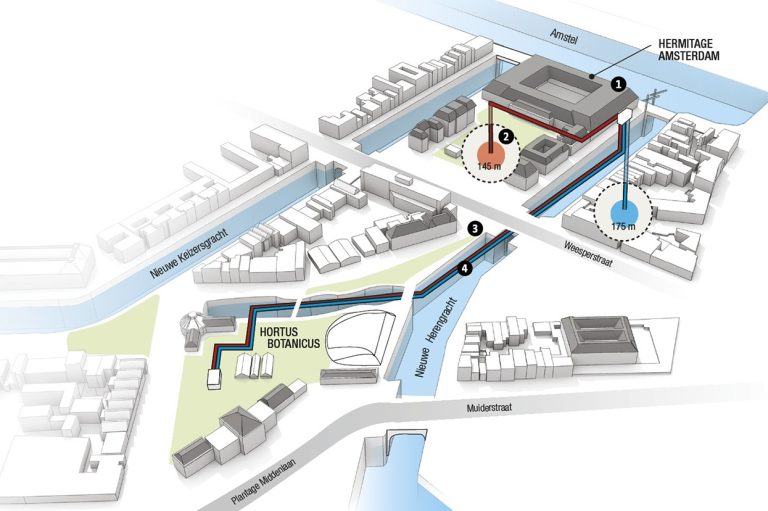
Since 2016, the greenhouses of the Hortus have been heated using residual heat from the H’ART Museum. Thanks to a unique underground connection, the two institutions exchange heat and cold, making use of energy that would otherwise go to waste.
Beneath the H’ART Museum is a thermal energy storage system (TES), which stores both heat and cold. To ensure the proper preservation of its art collection, the museum needs to maintain a constant temperature of around 20°C. Lighting and visitors generate heat, meaning that the museum primarily requires cooling. The heat released in this process is stored in the thermal energy storage system and then used to heat the greenhouses of the Hortus. This means that no fossil fuels are needed to heat the greenhouses. Once the heat has been transferred, the cooled water flows back into the storage system.
To make this remarkable collaboration possible, a 425-metre-long tunnel was drilled at a depth of 26 metres. At the time, this was the first tunnel of its kind to be constructed in the Netherlands. The tunnel runs beneath the busy Weesperstraat and the metro tunnel.
Thanks to this underground connection, two of Amsterdam’s national heritage monuments are now literally linked. It is a wonderful example of how collaboration and innovative technology can contribute to more responsible energy use.
Catching rainwater: preparing voor dryer times
Water is essential to the Hortus’s unique plant collection. (Fresh) water is also a precious resource. That is why we collect rainwater and reuse it wherever possible. This helps us reduce our drinking water consumption and ensures that our plants have enough water, even during dry periods.
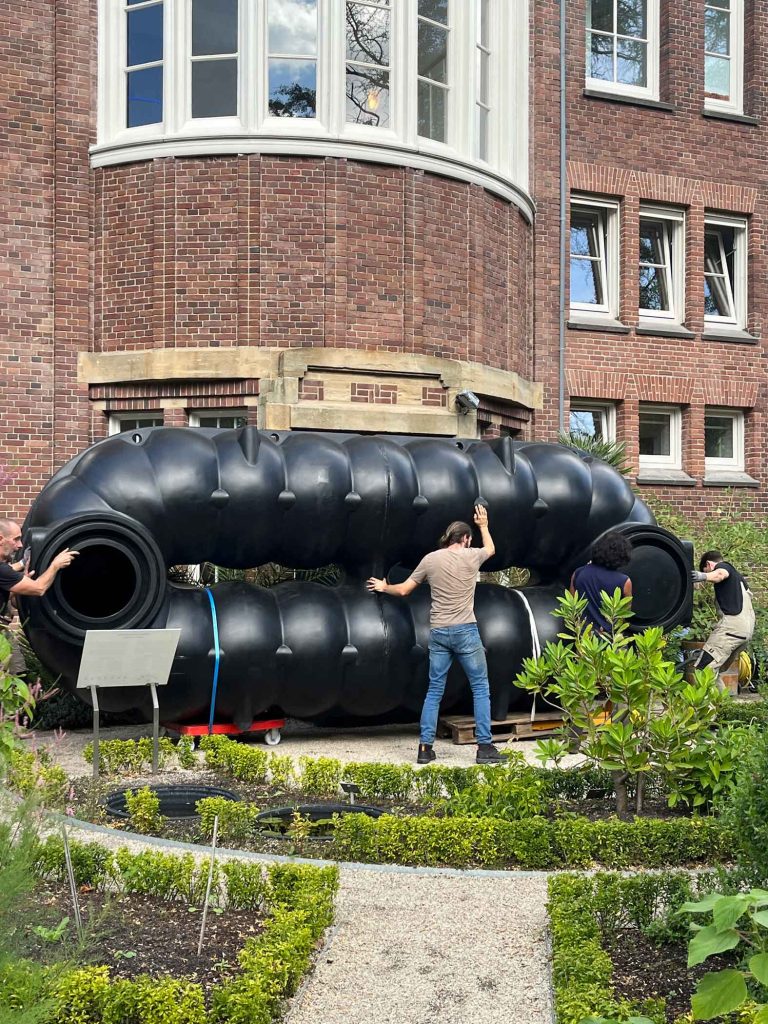
A good example is the carnivorous plant section, beneath which a 10,000-litre rainwater storage tank has been installed. We use the collected water to irrigate the garden. Rainwater is also collected for the plants in the renovated Climate Greenhouse. In the adjacent area, Native Flora of the Future, rainwater is collected in a specially designed rain garden (wadi).
Together with researchers from Delft University of Technology (TU Delft) and the Amsterdam Institute for Advanced Metropolitan Solutions (AMS), the Hortus is developing plans for a much larger rainwater storage facility. This facility, which is expected to be completed in 2028, will allow us to collect and store significantly more rainwater for use during dry periods. In this way, we aim to further reduce our reliance on drinking water while also helping to prevent flooding during periods of heavy rainfall.
Every drop counts. By making smart use of rainwater, we protect our plant collection, prepare for a changing climate and contribute to more sustainable water management in Amsterdam.
Zero Waste Expedition: working together to reduce waste
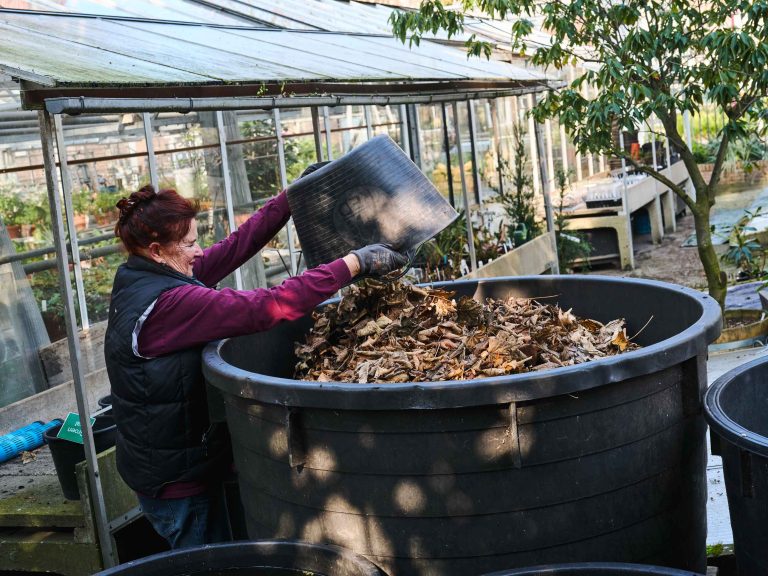
At the Hortus, we separate our waste to ensure that materials can be reused or recycled. The Hortus is one of the initiators of the Zero Waste Expedition in Amsterdam’s Plantage neighbourhood. Together with organisations including the National Maritime Museum, Wereldmuseum, NEMO, the H’ART Museum, the Jewish Cultural Quarter, Royal Theatre Carré and waste management company RENEWI, we are working towards smarter waste separation, the reuse of raw materials and more sustainable transport.
Waste is collected separately and, wherever possible, transported using energy-efficient electric boats. This means around 45 fewer lorries drive through the neighbourhood each week, reducing CO₂ emissions, particulate matter and noise pollution. In 2020, as much as 84% of the waste produced by the participating organisations was already being reused as a resource.
Together, we are working towards a circular future. The Zero Waste Expedition demonstrates how collaboration can lead to less waste, more efficient use of resources and a more sustainable living environment.
Biological pest control: working with nature
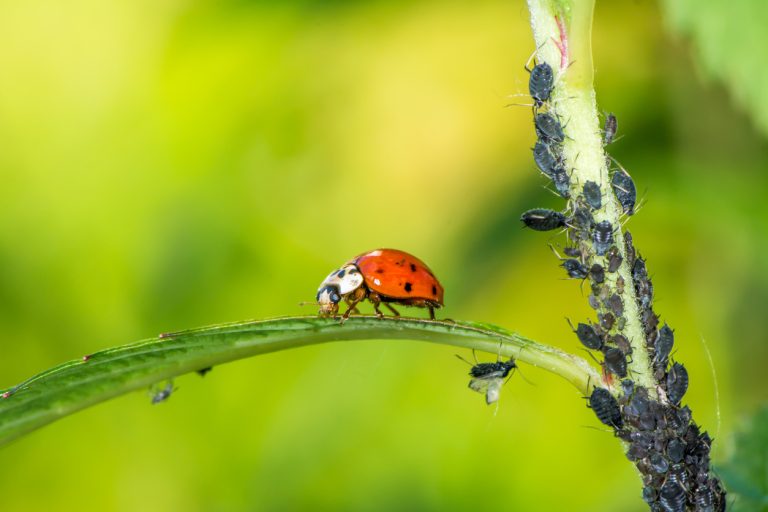
At the Hortus, we are committed to protecting our plant collection while respecting nature. That is why we use exclusively biological methods to control pests. When plants are affected by pest insects, fungi or bacteria, we look for natural solutions that support a healthy and biodiverse environment. We introduce natural predators and beneficial insects, such as predatory mites, ladybirds and parasitic wasps. These help keep pest populations under control naturally, without the need for chemical pesticides. We work closely with Andermatt, who support us with expert advice and the right biological pest control solutions.
We are also constantly learning and improving our approach. We are keeping increasingly detailed records of the pests we encounter and where they occur. By collecting this data, we can identify patterns more effectively and take more targeted preventive measures.
In this way, we work with nature rather than against it. Through biological pest control, we protect our unique plant collection and contribute to a healthy, sustainable environment.
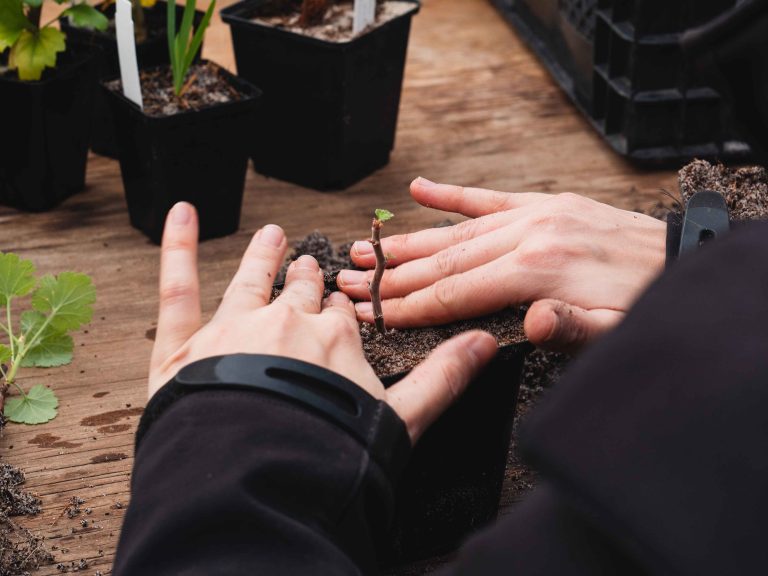
Peat-free gardening: good for plants, nature and the climate
The Hortus works almost entirely without peat when maintaining its gardens and growing its plant collection. This is a conscious choice, as peat is extracted from peatlands – ecosystems of immense value to both nature and the climate.
Peatlands are home to unique plant and animal species and store vast amounts of CO₂. When these vulnerable ecosystems are drained and excavated, much of the CO₂ that has been stored for centuries is released into the atmosphere. Valuable natural habitats are also lost. By working without peat, the Hortus helps protect these ecosystems and the biodiversity that depends on them.
You can make a difference at home, too. Gardening without peat is a simple, sustainable step towards protecting nature and the climate. With peat-free compost, you can grow beautiful plants, create a flourishing garden or add greenery to your outdoor walls and façades. In this way, you help preserve valuable peatlands – without compromising on a green, healthy garden.
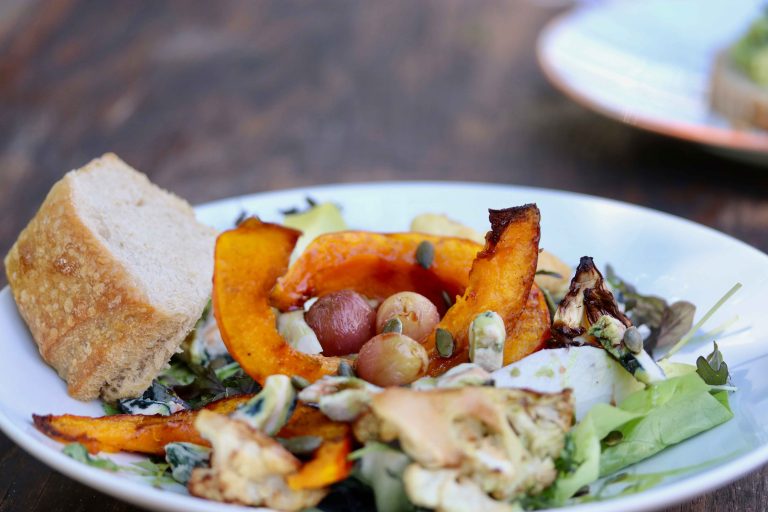
Enjoy sustainable dining at the Orangery
At the Hortus Orangery, the menu is entirely vegetarian and always has vegan choices. This is a conscious choice that helps reduce our impact on the climate while showing just how delicious and versatile plant-based food can be.
We work with seasonal menus and, wherever possible, use ingredients from local farms. This means our dishes reflect what is fresh and available at any given time. We also offer daily specials for as long as stocks last, helping us minimise food waste.
When creating our menu, we take inspiration from Dutch Cuisine: a culinary philosophy that focuses on locally sourced Dutch ingredients, seasonal produce and vegetables as the star of the plate. In this way, we bring sustainability, local ingredients and the pleasure of good food together.
Good food tastes even better when you know you are helping to make the world a little better. At the Hortus Orangery, you can enjoy dishes that are not only delicious but also reflect the Hortus’s commitment to sustainability.
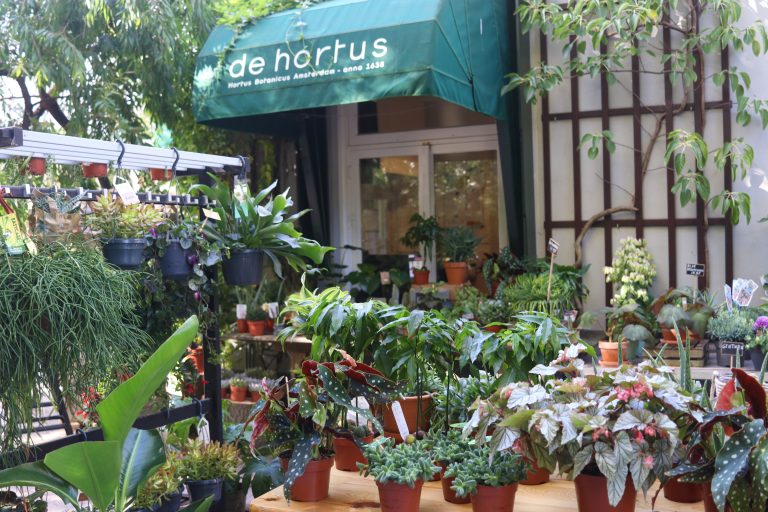
Organic plants: growing in harmony with nature
At the Hortus shop, we consciously choose organic plants. We work with growers who, like us, care deeply about nature, soil health and biodiversity. One of our partners is Kwekerij Amstelland, where plants are grown locally in living soil, without the use of pesticides.
Organic plants are cultivated with respect for natural processes. This sometimes means they may look a little different from plants specially grown for abundant flowering or a perfectly uniform appearance. That is precisely where their value lies: healthy growth and sustainable cultivation come first.
By choosing organic plants, you give nature room to thrive. We want to make it easier for our visitors to contribute to healthy soil, greater biodiversity and a greener living environment in their own gardens and homes.