


Edible, but different
Although there are tens of thousands of edible plant species, you’ll often find the same familiar varieties in a typical vegetable garden, such as lettuce, carrots and radishes. But there are so many more colourful and flavourful types of fruit and vegetables. And unlike a traditional vegetable garden with perfectly straight rows of vegetables, we have opted for a more decocrative layout here. All the plants you see are edible (or have edible parts) and together they create an aesthetically pleasing garden next to our terrace.
This kitchen garden features species and varieties that you don’t often come across in the vegetable garden. Read more about them here.
Creeping thyme (Thymus serpyllum)
A low-growing, creeping ground cover plant with pretty purple flowers. Like common thyme, it’s a herb and has a slightly lemony flavour. You can use wild thyme in tea, in soup or to flavour other dishes.
(Mentha spicata var. crispa 'Moroccan')
An aromatic variety of mint with bright green, crinkled leaves. The leaves can be used in tea. It is a sweeter, slightly milder variety of spearmint.
Catnip (Nepeta x faasennii)
Your cat’s favourite plant! And lovely in a cup of tea: it has a calming effect. Catnip can also be used to flavour soups, stews, salads and sauces. It tastes a bit like oregano or mint. Fun fact: catnip is also used in Italian Amaro bitter liqueur.
Swiss chard (Beta vulgaris 'Fireworks')
Red, green, yellow: this Swiss chard bursts from the ground with its colourful stems and arrow-shaped leaves. Swiss chard can be blanched, stir-fried or braised – the smaller, young leaves are delicious eaten raw in a salad.
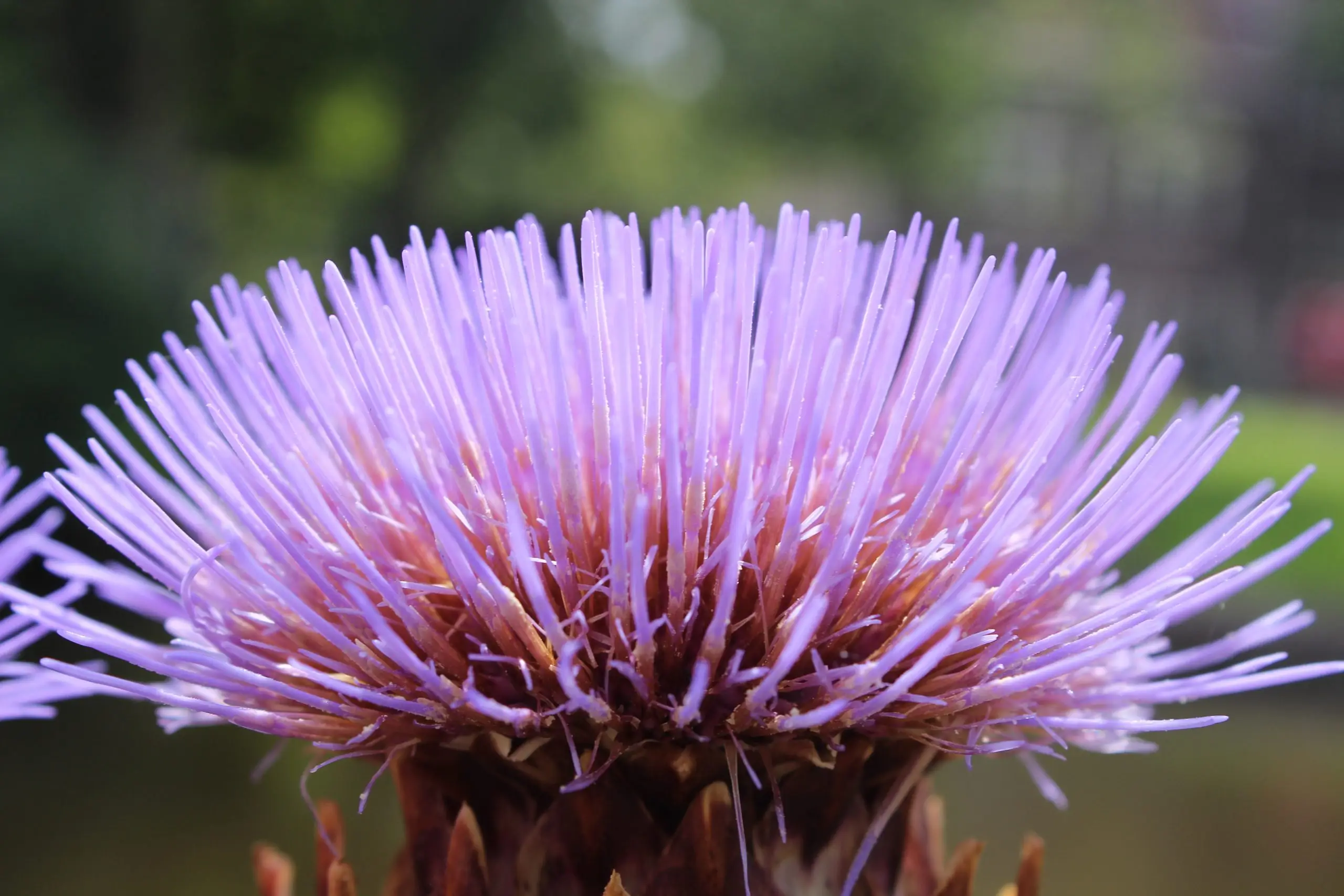
Cardoon (Cynara cardunculus)
This attractive, thistle-like plant is related to the artichoke and has grey-green leaves with a prickly appearance and thick, fleshy stems. In cooking, it is mainly the stems that are used. Cardoon is often peeled first and boiled for 1 to 2 hours to reduce its firmness and bitterness. It can then be used in stews, gratins or soups. In countries around the Mediterranean, such as Italy and France, cardoon is a traditional winter vegetable and is often prepared with cheese, cream or herbs for a rich, savoury flavour.
Strawberry spinach (Chenopodium capitatum)
Strawberry spinach has fresh green, slightly serrated leaves and bears bright red, berry-like fruits that resemble small strawberries. These grow along the stem and give the plant a decorative appearance. The young leaves can be eaten raw in salads or cooked like spinach, with a mild and slightly nutty flavour. The red berries are edible and have a subtle, slightly sweet flavour, but are mainly used as a garnish in dishes.
Spider berry (Cyclocodon lancifolius)
This unusual little plant is used as a low hedge to divide up the Kitchen Garden. The edible, deep purple coloured berries appear in late summer and resemble little spiders. The species is native to China.