


dit seizoen in de hortus
In de Hortus worden doorlopend activiteiten georganiseerd. Bekijk hier het actuele programma.
Alle activiteiten
de hortus academie
Victoria – de betoverende koningin van de waterlelies
Lees meer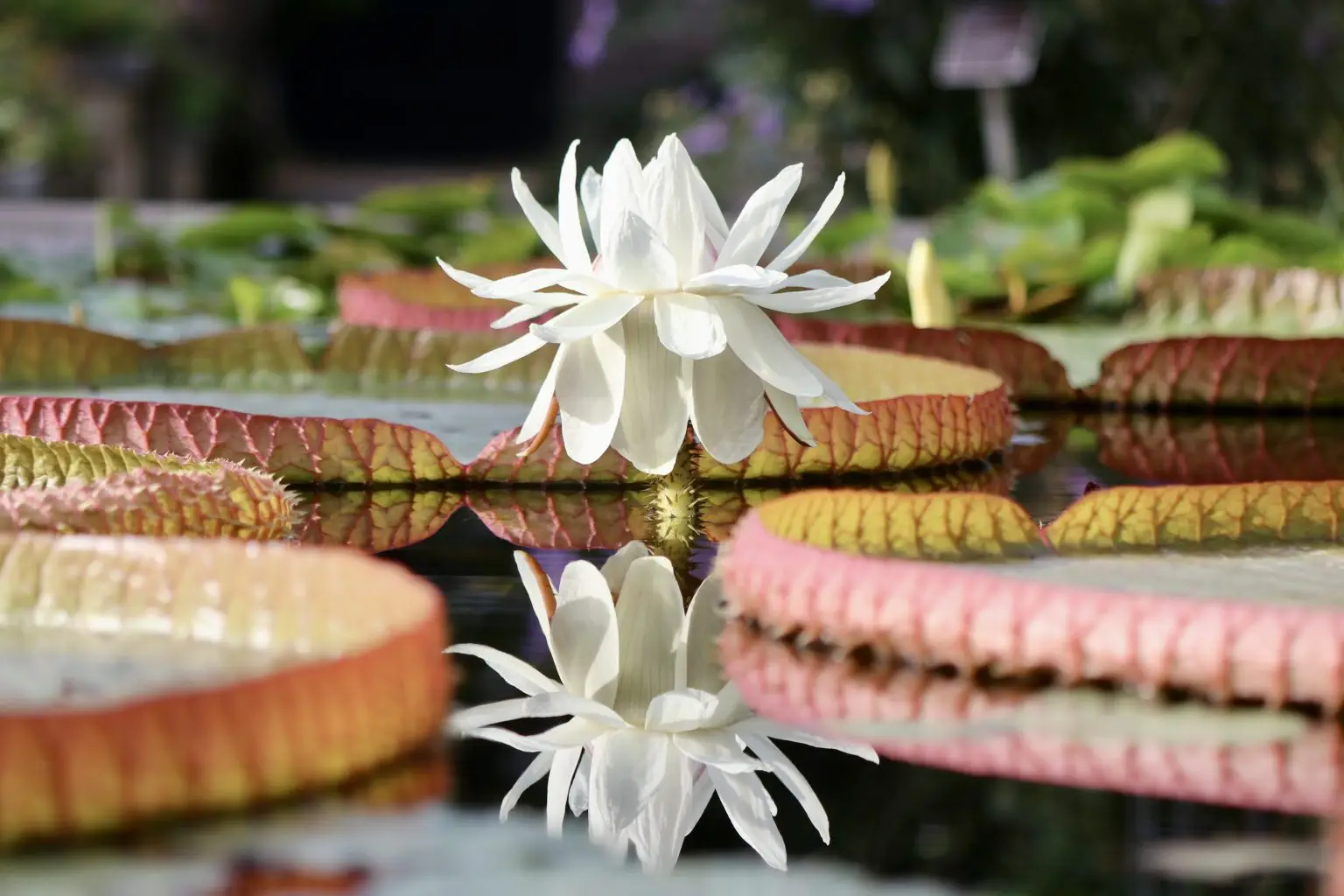
Mensen achter de Hortus | Elk zaadje een verhaal
Lees meer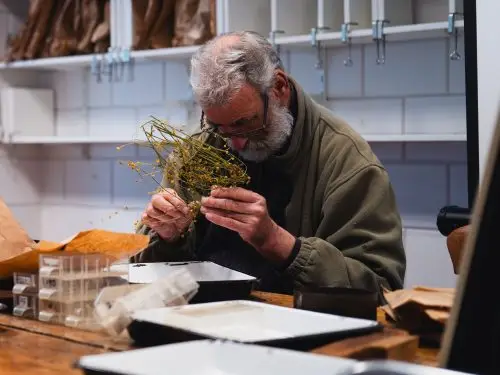
Klimaatles in de Hortus – Kaap – De winter in volle bloei
Lees meer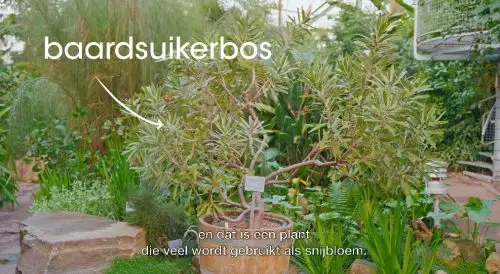
Mensen achter de Hortus | De Amsterdamse jungle
Lees meer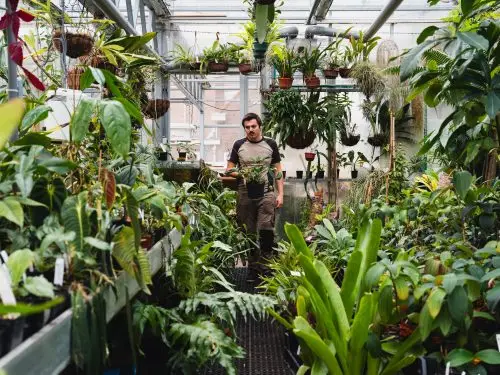
Klimaatles in de Hortus – Tropen – De strijd om licht
Lees meer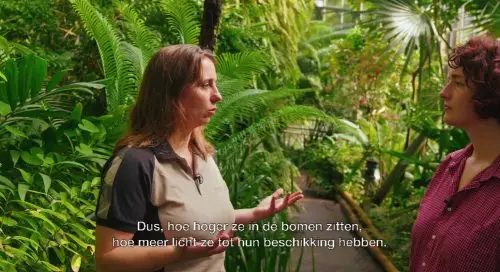
Wonderplant van de woestijn
Luister meer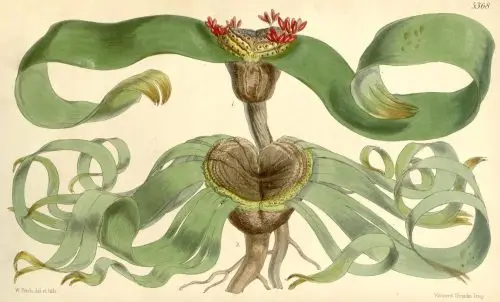
word vriend van de hortus
Als lid van de Vereniging van Vrienden van de Amsterdamse Hortus steun je de Hortus en kun je bovendien voor €47,50 per jaar ieder seizoen de tuin bezoeken.
word vriend van de hortus
Our 𝘀𝗵𝗲𝗹𝗹𝗯𝗮𝗿𝗸 𝗵𝗶𝗰𝗸𝗼𝗿𝘆 (𝘊𝘢𝘳𝘺𝘢 𝘭𝘢𝘤𝘪𝘯𝘪𝘰𝘴𝘢) is lighting up the garden with its brilliant yellow crown. A little autumn sunshine, right in front of the Palm House. 💛 But don’t wait too long to see it - this golden display only lasts a few days! 🍂
-
De 𝗸𝗼𝗻𝗶𝗻𝗴𝘀𝗻𝗼𝗼𝘁 (𝘊𝘢𝘳𝘺𝘢 𝘭𝘢𝘤𝘪𝘯𝘪𝘰𝘴𝘢) laat de tuin stralen met zijn felgele kroon. Een beetje herfstzon, recht voor onze Palmenkas. 💛 Maar wacht niet te lang met een bezoekje: deze gouden pracht duurt maar een paar dagen! 🍂


🍂👉🏽 𝗦𝘄𝗶𝗽𝗲 for a little golden magic at the Hortus. 💛
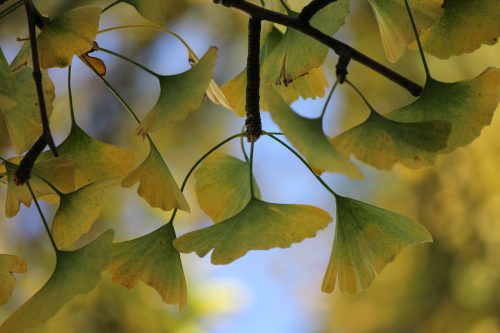
The trees are turning yellow, the leaves are falling, and the garden is settling into its own quiet autumn rhythm. From sunlit canopies to peaceful corners: enjoy the garden this week!✨

🎃Straight from the witch’s greenhouse.
With its dark, wing-like flowers and strange, trailing filaments, the 𝗯𝗹𝗮𝗰𝗸 𝗯𝗮𝘁 𝗳𝗹𝗼𝘄𝗲𝗿 (𝘛𝘢𝘤𝘤𝘢 𝘤𝘩𝘢𝘯𝘵𝘳𝘪𝘦𝘳𝘪) looks almost too weird to be real. The perfect plant for Halloween.🦇
📍Unfortunately she`s not flowering in time for spooky season - but you can find the plant in our tropical greenhouse.👀
-
🎃Rechtstreeks uit de kas van een heks.
Met haar donkere, vleugelachtige bloemen en mysterieuze slierten lijkt de 𝘃𝗹𝗲𝗲𝗿𝗺𝘂𝗶𝘀𝗯𝗹𝗼𝗲𝗺 (𝘛𝘢𝘤𝘤𝘢 𝘤𝘩𝘢𝘯𝘵𝘳𝘪𝘦𝘳𝘪) bijna te bizar om echt te zijn. De perfecte plant voor Halloween.🦇
📍Helaas bloeit ze niet op tijd voor `spooky season` - maar je kunt de plant vinden in onze tropische kas.👀

🔮 These look like something you`d find in a mermaid`s jewellery box.
The 𝗺𝗮𝗿𝗯𝗹𝗲 𝗯𝗲𝗿𝗿𝘆 (𝘗𝘰𝘭𝘭𝘪𝘢 𝘤𝘰𝘯𝘥𝘦𝘯𝘴𝘢𝘵𝘢) grows in forested regions of Africa. Its fruits shimmer in dazzling shades of metallic blue, purple and green. Almost too beautiful to be real. But here`s the twist: there`s no blue pigment involved. Their extraordinary colour is an example of structural colouration: instead of using pigments to create colour, the fruit has microscopic layers of cellulose in its skin that reflect light in very particular ways. And the wildest part? These jewel-like colours can last for decades, even after the fruits have dried out. It`s said that this blue colour is the most intense of any known biological material.
📍Tropical greenhouse
-
🔮 Dit lijken wel juwelen uit de schatkist van een zeemeermin.
De 𝗺𝗮𝗿𝗺𝗲𝗿𝗯𝗲𝘀 (𝘗𝘰𝘭𝘭𝘪𝘢 𝘤𝘰𝘯𝘥𝘦𝘯𝘴𝘢𝘵𝘢) groeit in de bosrijke gebieden van Afrika. De vruchten schitteren in metallic blauw, paars en groen.
Maar nu komt het: er komt helemaal geen blauw pigment aan te pas! De bijzondere kleur is een voorbeeld van structurele kleuring. In plaats van pigmenten te gebruiken, heeft de vrucht microscopisch kleine laagjes cellulose in de vruchtwand die het licht op een heel specifieke manier weerkaatsen. Het resultaat? Die waanzinnige, bijna parelmoerachtige glans.
Deze juweelachtige kleuren kunnen tientallen jaren behouden blijven, zelfs nadat de vruchten zijn opgedroogd. Er wordt zelfs gezegd dat dit de meest intense blauwe kleur is van alle bekende biologische materialen.
📍 Tropische kas

🌴🥹Een stukje Palmenkas voor thuis!
Dit prachtige kerstornament is een ode aan een van de mooiste plekken van de Hortus: onze monumentale Palmenkas. Een bijzonder cadeautje voor een plantenliefhebber, of gewoon voor jezelf. 💚 Je vindt ’m in onze winkel!
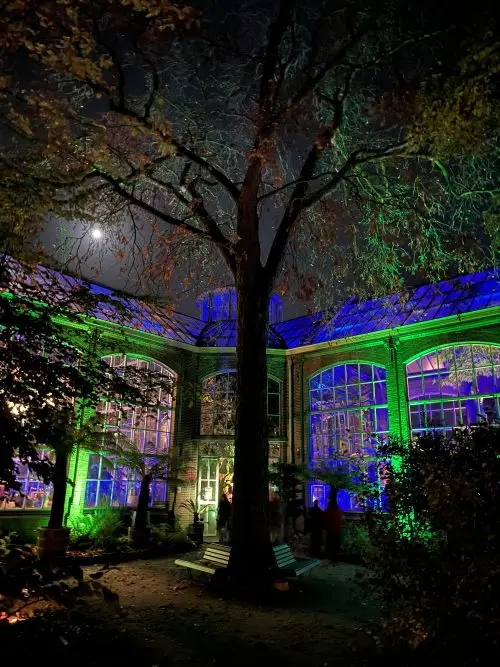
Maar wist je dat ook de échte Palmenkas wat extra liefde kan gebruiken? Het glazen dak is aan vernieuwing toe. Maar liefst 1304 ruitjes worden vervangen door duurzaam veiligheidsglas, zodat deze bijzondere plek ook voor toekomstige generaties behouden blijft.
Met een donatie aan onze campagne `Plant zoekt Dak` help je mee de Palmenkas te beschermen. Elke bijdrage is welkom!
🎁 Koop het Palmenkasornament in onze winkel.
🌱 Draag bij aan een nieuw dak via de 𝗹𝗶𝗻𝗸 𝗶𝗻 𝗯𝗶𝗼.

🌿 Small flowers, big details.
Pelargoniums come in all shapes and sizes. Look closely and you’ll discover delicate, intricate blooms that are easy to overlook at first glance! Gently rub a leaf between your fingers, and you might be surprised by its scent: mint, lemon and even apple.🍏
Many wild pelargonium species originate from the Cape region of South Africa, where they grow in the unique fynbos vegetation. You can discover their remarkable variety up close in our Cape greenhouse. 🌸
Seen here: 𝘗𝘦𝘭𝘢𝘳𝘨𝘰𝘯𝘪𝘶𝘮 𝘱𝘢𝘵𝘶𝘭𝘶𝘮, 𝘗𝘦𝘭𝘢𝘳𝘨𝘰𝘯𝘪𝘶𝘮 𝘥𝘢𝘴𝘺𝘱𝘩𝘺𝘭𝘭𝘶𝘮, 𝘗𝘦𝘭𝘢𝘳𝘨𝘰𝘯𝘪𝘶𝘮 𝘰𝘥𝘰𝘳𝘢𝘵𝘪𝘴𝘴𝘪𝘮𝘶𝘮, 𝘗𝘦𝘭𝘢𝘳𝘨𝘰𝘯𝘪𝘶𝘮 𝘴𝘪𝘥𝘰𝘪𝘥𝘦𝘴, 𝘗𝘦𝘭𝘢𝘳𝘨𝘰𝘯𝘪𝘶𝘮 𝘹 𝘴𝘵𝘢𝘱𝘭𝘦𝘵𝘰𝘯𝘪𝘪, 𝘗𝘦𝘭𝘢𝘳𝘨𝘰𝘯𝘪𝘶𝘮 𝘤𝘢𝘱𝘪𝘵𝘢𝘵𝘶𝘮
𝘗𝘦𝘭𝘢𝘳𝘨𝘰𝘯𝘪𝘶𝘮 𝘻𝘰𝘯𝘢𝘭𝘦, 𝘗𝘦𝘭𝘢𝘳𝘨𝘰𝘯𝘪𝘶𝘮 𝘳𝘦𝘯𝘪𝘧𝘰𝘳𝘮𝘦, 𝘗𝘦𝘭𝘢𝘳𝘨𝘰𝘯𝘪𝘶𝘮 𝘤𝘰𝘳𝘵𝘶𝘴𝘪𝘧𝘰𝘭𝘪𝘶𝘮, 𝘗𝘦𝘭𝘢𝘳𝘨𝘰𝘯𝘪𝘶𝘮 𝘥𝘪𝘤𝘩𝘰𝘯𝘥𝘳𝘪𝘧𝘰𝘭𝘪𝘶𝘮

🥒💦This season`s final seed dispersal of the 𝘀𝗾𝘂𝗶𝗿𝘁𝗶𝗻𝗴 𝗰𝘂𝗰𝘂𝗺𝗯𝗲𝗿 (𝘌𝘤𝘣𝘢𝘭𝘭𝘪𝘶𝘮 𝘦𝘭𝘢𝘵𝘦𝘳𝘪𝘶𝘮). We couldn`t leave without one final close-up... Always launching its seeds in style! 👀

Crisp air, golden light, and a garden slowly waking up. 🍂
There’s something special about the Hortus in the early morning. A little pocket of calm in the heart of Amsterdam.
